How we work
We do not arrive with ready-made answers. We start with the experiences, needs and priorities of the people affected, then build solutions with them.
Three habits behind every project
Whatever the programme, we work the same way.
Listen first
We start by understanding the challenge and listening to the people it affects.
Design together
Communities help develop ideas and test practical solutions with us.
Learn and adapt
We learn from implementation, improve what works and change what does not.
Solutions that respond to real experience
We use human-centred design so that each intervention responds to real experience rather than assumption. It matters most where behaviour, culture, social norms and access to services all interact.
The result is interventions that are locally relevant, practical, inclusive, evidence-informed, community-owned and able to adapt as communities change.
- 1 Identify and understand the challenge
- 2 Explore the experiences and needs of the groups affected
- 3 Develop ideas together
- 4 Test practical solutions
- 5 Learn from implementation
- 6 Improve and adapt
Creativity that opens difficult conversations
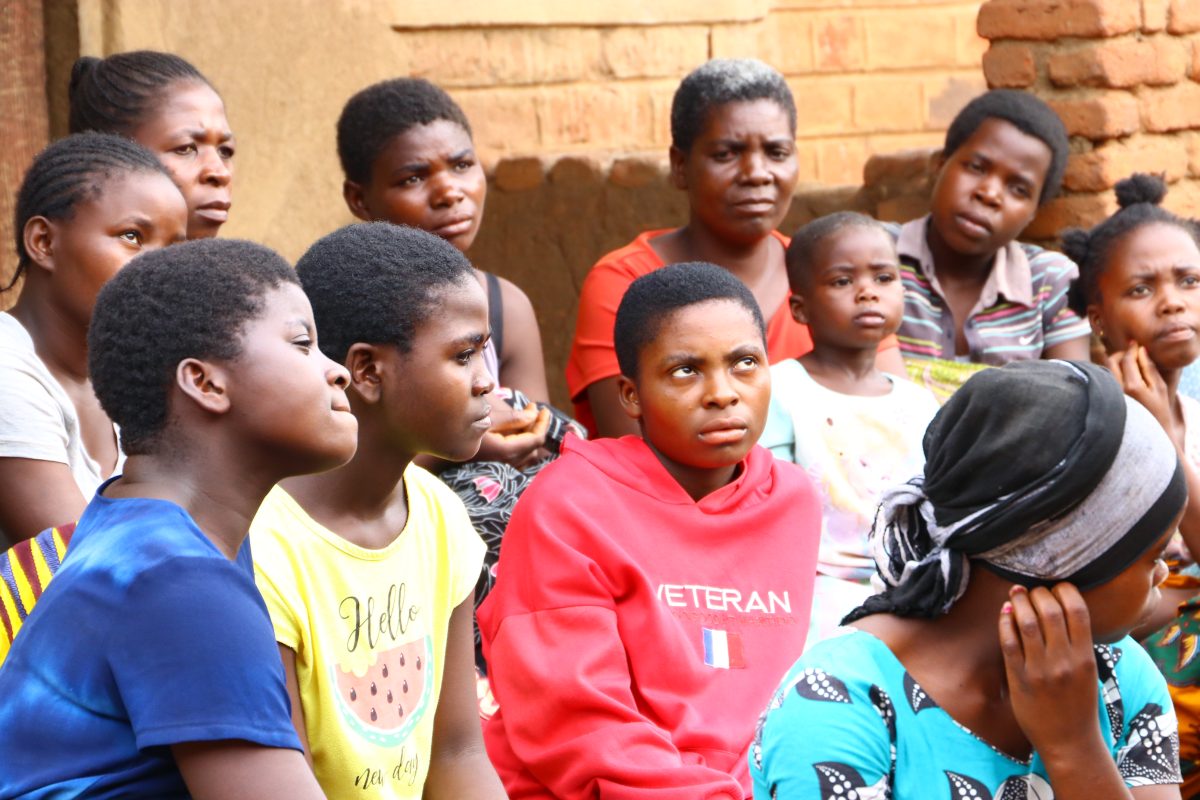
Creativity is part of who we are. Participatory arts give communities a safe space to discuss difficult issues, share experience and agree on what to do together.
- Theatre for development
- Community drama
- Music
- Painting and visual arts
- Image theatre
- Storytelling
- Creative dialogue
- Youth-led expression
Learning, evidence and safe participation
Monitoring, evaluation, accountability and learning
We build MEAL into every programme. We set clear indicators, monitor routinely, collect community feedback and document results. We reflect on what we learn and adapt. Our aim is to show not only what we did, but what changed for communities as a result.
Safeguarding, gender and inclusion
We make sure women and girls, children and adolescents, persons with disabilities, vulnerable households, young people and marginalised communities can take part safely and meaningfully. Protection, dignity, confidentiality and respect for human rights are built into how we plan and deliver every activity.
Our safeguarding commitmentChange built through existing community structures
We work through organisational leadership, technical staff, community volunteers and local partners, so that interventions sit inside structures communities already trust.
- Community volunteers
- Women and girls
- Children and adolescents
- Men and boys
- Young people
- Teachers and schools
- Traditional and community leaders
- Health workers and facilities
- Local government structures
- Civil society organisations
- Development partners
See the approach at work
Explore how human-centred design and participatory arts shape each of our programme areas.